

AI image generators have become widely accessible in recent years, allowing people to create visuals using only written descriptions. Many tools now offer free, browser based access without requiring an account or personal information. This has made image generation more approachable for beginners, educators, bloggers, and creative hobbyists who want to experiment without committing to a platform.
This article explains what free online AI image generators are, how they work, what unlimited and no sign up really mean, and what realistic advantages and limitations users should expect. The focus is on clarity, responsible use, and long term understanding rather than promotion or promises.
What an AI Image Generator is
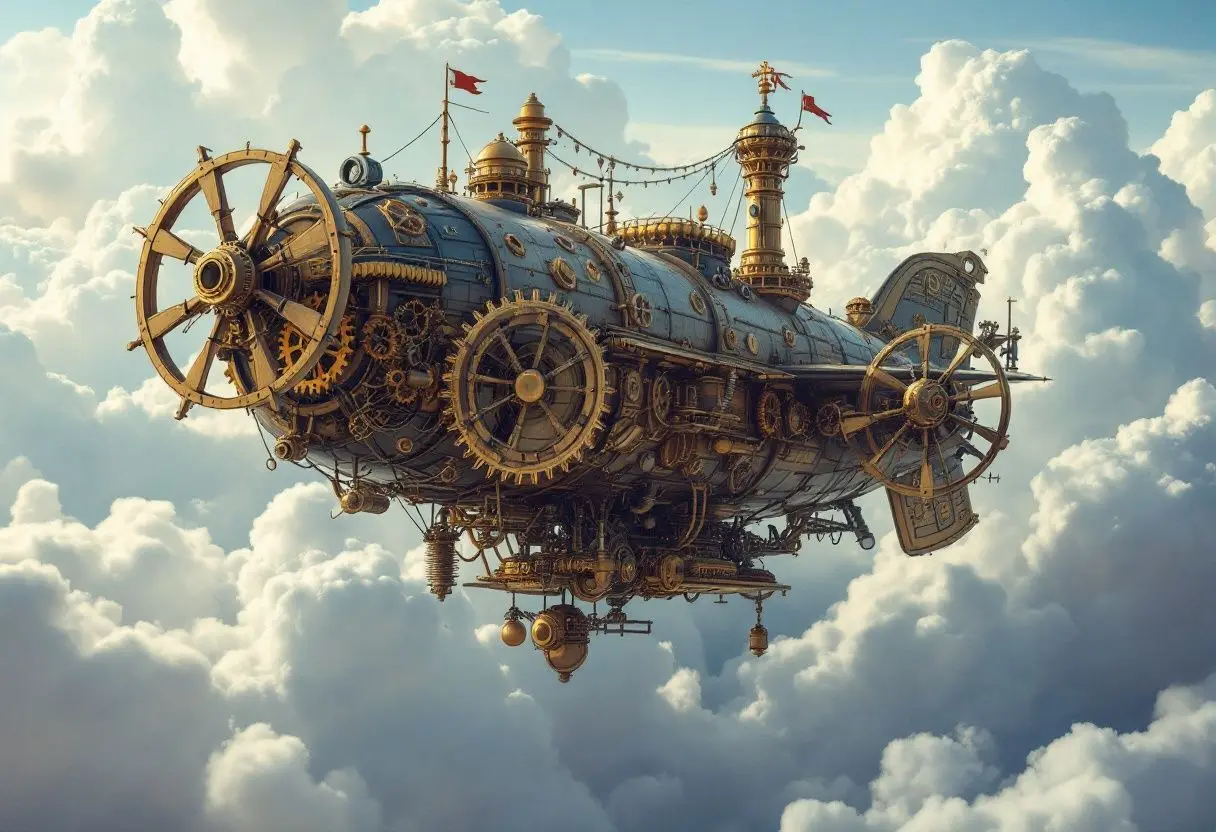
An AI image generator is a digital tool that creates images based on written instructions, often called prompts. Users describe what they want to see, such as a scene, object, or style, and the system produces a visual representation.
These tools rely on machine learning models trained on large collections of images and descriptions. The models learn patterns between text and visual features, which allows them to predict how an image should look based on the words provided.
AI image generators do not retrieve existing images from the internet. Instead, they create new images based on learned patterns.
What Free Online Access Means
Free online access usually means the tool can be used through a web browser without installing software or paying a subscription. This lowers the entry barrier for people who want to try image generation casually.
However, free access often comes with limits. These limits may include lower resolution images, restricted generation speed, or a cap on how many images can be created in a certain time period.
The term free does not always mean unlimited in a technical sense. It usually means there is no upfront cost to begin using the tool.
Understanding Unlimited Generation Claims
When a tool describes itself as offering unlimited image generation, it often means there is no fixed daily quota displayed to the user. However, practical limits still exist.
These limits may include:
- Slower generation during high usage periods
- Temporary restrictions if usage is excessive
- Reduced image quality for free users
Unlimited access is generally intended for casual or moderate use rather than large scale or commercial workflows.
Understanding these boundaries helps set realistic expectations.
What No Sign Up Really Means
No sign up tools allow users to generate images without creating an account or providing personal details. This appeals to people who value privacy or want to test a tool quickly.
While no sign up tools do not require user profiles, they may still collect basic technical data such as browser type or session activity for performance and security reasons.
Users should review privacy policies to understand what information is collected, even when an account is not required.
How AI Image Generators Work in Simple Terms
AI image generators use a process that starts with random visual patterns. The system then gradually adjusts these patterns based on the user prompt.
Over multiple steps, the image becomes more detailed and aligned with the description. This process happens quickly, often in seconds.
The system does not understand the meaning of the prompt in a human sense. It identifies patterns associated with words and applies them to visual features.
This explains why some results may be creative but occasionally inaccurate.
Who Benefits From Free AI Image Tools
Free online AI image generators are often used by:
- Students and educators
- Bloggers and content creators
- Designers exploring ideas
- Hobbyists and casual users
These tools are particularly useful for brainstorming, illustration, and learning how AI responds to different prompts.
They are less suited for professional work that requires precise branding, legal clarity, or guaranteed originality.

The Role of Prompts in Image Quality
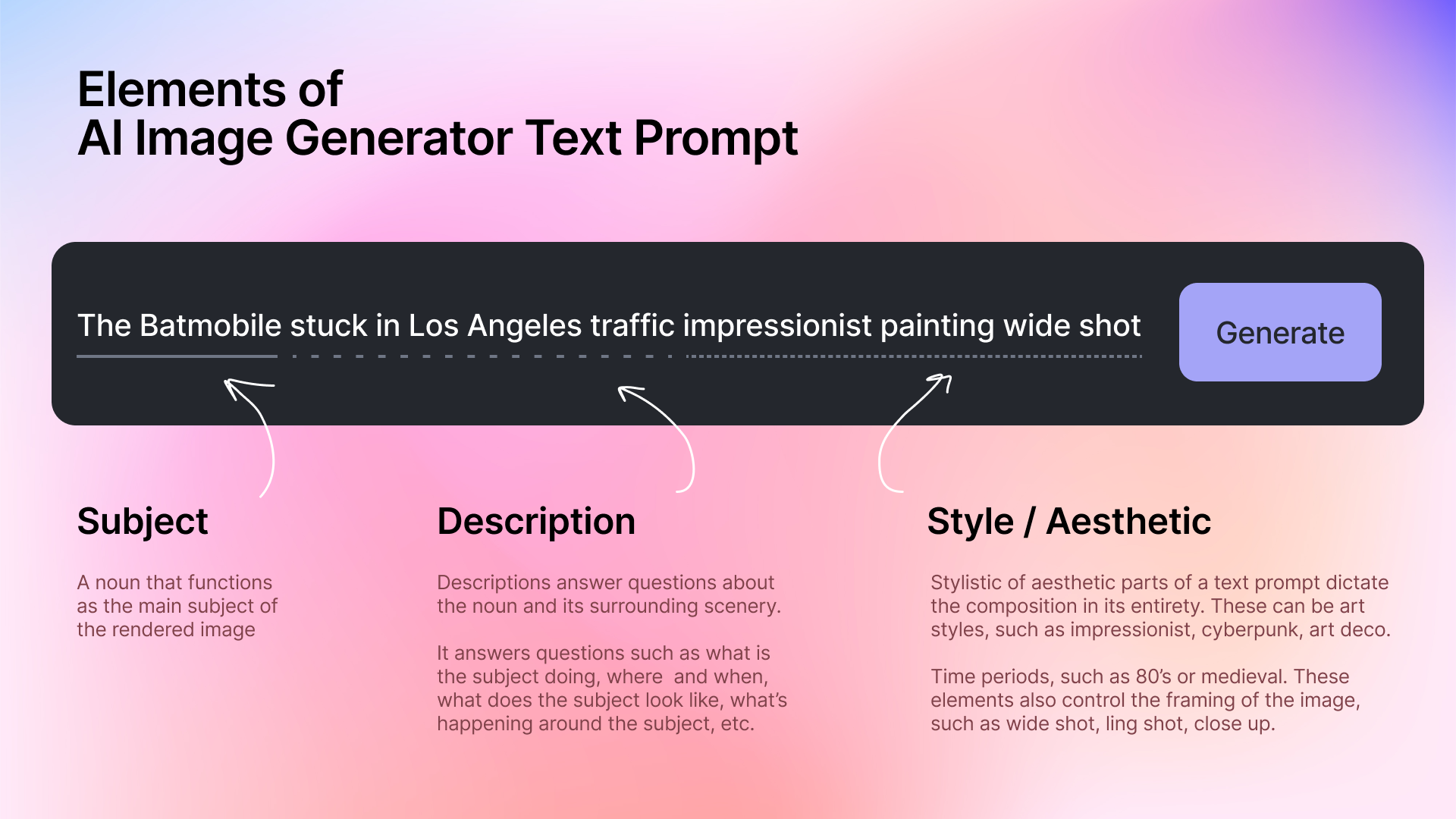
The quality of an AI generated image depends heavily on the prompt. A prompt is a description of what the user wants to see.
Simple prompts often produce general images. More detailed prompts can guide style, mood, and composition.
However, overly complex prompts may confuse the system and lead to inconsistent results.
Finding balance in prompt writing is part of learning how to use these tools effectively.
Advantages of Free Online No Sign Up Tools
One major advantage is accessibility. Users can start creating images quickly without technical setup or commitment.
These tools also encourage experimentation. Because there is no cost barrier, users can try different ideas freely.
Another advantage is privacy convenience. Not having to create an account reduces the amount of personal information shared.
Free tools also support learning. Beginners can explore how AI image generation works before deciding whether a more advanced platform is needed.
Limitations and Practical Constraints
Despite their convenience, free AI image generators have limitations.
Image resolution is often lower than that of paid platforms.
Customization options may be limited.
Processing speed may vary based on demand.
Usage policies may restrict commercial use.
These tools are best viewed as entry level or exploratory rather than comprehensive solutions.


Responsible Use and Ethical Considerations
AI generated images raise questions about originality, representation, and transparency.
Users should avoid:
- Creating images of real people without consent
- Misrepresenting AI images as real photographs
- Copying recognizable styles too closely
Responsible use helps maintain trust and respect for creative work.
Transparency is particularly important when AI images are used in educational or informational contexts.
Copyright and Usage Awareness
Copyright rules for AI generated images vary by platform and region. Some tools allow broad usage, while others restrict commercial use.
Users should review terms of service to understand how generated images can be used. This is especially important for websites, publications, and business materials.
Assuming all free images are unrestricted can lead to complications.


Using AI Images for Websites and Blogs
AI images are commonly used for:
- Blog illustrations
- Concept visuals
- Educational materials
When used responsibly, they can support content without replacing real world representation.
Optimizing image size and relevance helps maintain website performance and user experience.
Clear labeling or context can help readers understand when images are illustrative rather than factual.
Performance and Technical Considerations
Large image files can slow down websites. Compressing and resizing images improves loading speed.
Accessibility is another factor. Adding descriptive text for images supports users who rely on screen readers.
These technical details influence how well AI images integrate into digital content.
Learning Through Experimentation
Free tools provide a low risk way to learn how AI image generation works. Users can test different styles, prompts, and ideas.
This experimentation builds understanding of what these tools can and cannot do.
Over time, users often develop personal prompt strategies that improve consistency.
Setting Realistic Expectations
AI image generators are powerful but imperfect. They may produce creative results that do not fully match the prompt.
Understanding that these tools work through prediction rather than understanding helps reduce frustration.
Viewing AI as a creative assistant rather than a precise instrument leads to more positive experiences.
Privacy and Data Awareness
Even without sign up, users should be mindful of what they share in prompts. Avoid including personal or sensitive information.
Public or shared tools may log prompts for system improvement or moderation.
Awareness supports responsible use.
When Paid Tools May Be More Suitable
For professional projects, paid platforms often offer:
- Higher resolution images
- Licensing clarity
- Custom models or styles
- Priority processing
Free tools are best suited for learning, casual use, and non critical applications.
Final Thoughts
Free online AI image generators with no sign up offer an accessible way to explore creative possibilities. They lower barriers to entry and encourage experimentation.
At the same time, they come with practical limits related to quality, speed, and usage rights. Understanding these limits helps users make informed choices.
By approaching these tools with curiosity, responsibility, and realistic expectations, users can benefit from AI image generation as a supportive and educational resource rather than a complete solution.
Also Read: AI Image Styles Explained: Realistic, Cartoon, Anime & More
