

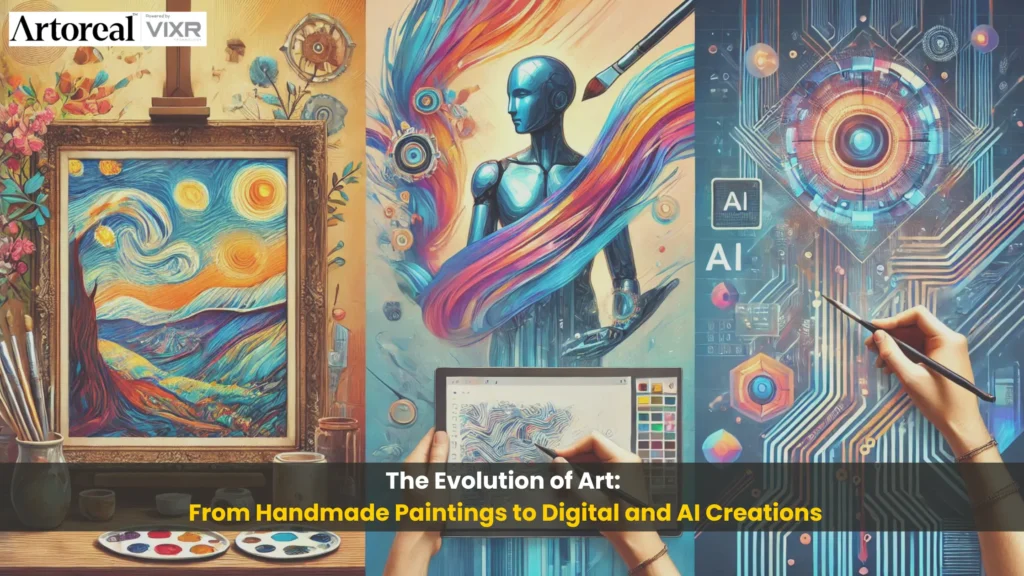
AI has introduced new tools into the world of digital art, and reactions have been mixed. Some artists feel excited, while others feel uncertain or even threatened.
Understanding how AI is changing digital art and creativity helps reduce fear and confusion.
Traditional Art vs AI-Assisted Art
Traditional art relies on manual skill and time. AI-assisted art focuses on idea direction and experimentation. Both involve creative decision-making.
New Opportunities Created by AI
- Faster concept exploration
- Lower entry barriers for beginners
- New art styles and workflows
Ethical Concerns
Common concerns include:
- Training data sources
- Credit and originality
- Over-commercialization
These discussions are ongoing and important.
AI as a Creative Partner
Many artists now treat AI as a tool, similar to cameras or design software. It expands possibilities rather than replacing talent.
Future Outlook
AI tools will continue to evolve. Human creativity, judgment, and emotion will remain central.
Final Thoughts
AI is reshaping digital creativity, but it does not remove the need for human input. It changes how ideas are expressed, not why they exist.
“…AI creativity tools are evolving.”
🔗 Future of Free AI Tools: What Users Can Expect

1 thought on “How AI is Changing Digital Art and Creativity”